Brooklyn, Houston, South Orange: Three Hip-Hop Stories Worth Wearing
In 2012, Rolling Stone put "Ain't No Half-Steppin'" at number 25 on its list of the 50 greatest hip-hop songs of all time. The song was Big Daddy Kane's, and he was from Brooklyn. A few years after that single, a trio in Houston took a song about paranoia onto the Billboard Hot 100, and a trio from South Orange, New Jersey, made an album that went to number one and won a Grammy.
Three places, three very different sounds, one stretch of hip-hop history. If your playlist runs heavy (and on a heavy band's site, we suspect it does), this is a quick guide to three names worth knowing, the records to start with, and one piece from each that wears the story well.
Who was Big Daddy Kane, and why does Brooklyn still talk about him?
Big Daddy Kane is Antonio Hardy, born in Brooklyn on September 10, 1968. He started out in 1986 as a member of the Juice Crew, the Queens-based collective led by producer Marley Marl, signed to Cold Chillin' in 1987 and came out with the 12-inch "Raw".
His debut album, Long Live the Kane, arrived in 1988, produced by Marley Marl, and was certified gold in 1989. Then came a run that most rappers would trade a career for:
- It's a Big Daddy Thing (1989)
- Taste of Chocolate (1990)
- Prince of Darkness (1991)
- Looks Like a Job For... (1993)
- Daddy's Home (1994)
- Veteranz Day (1998)
Where to start listening: "Raw", "Ain't No Half-Steppin'", "Set It Off" and "Smooth Operator". The honours followed, too: a VH1 Hip Hop Honors tribute in 2005 and a Grammy for "Back on the Block" with Quincy Jones. He even acted, in Posse and The Meteor Man, both from 1993.
The stage name is a story in itself: a twist on "Caine" from the TV series Kung Fu, mixed with the "Big Daddy" character Vincent Price played in Beach Party. "King Asiatic Nobody's Equal" is the backronym often attached to it.
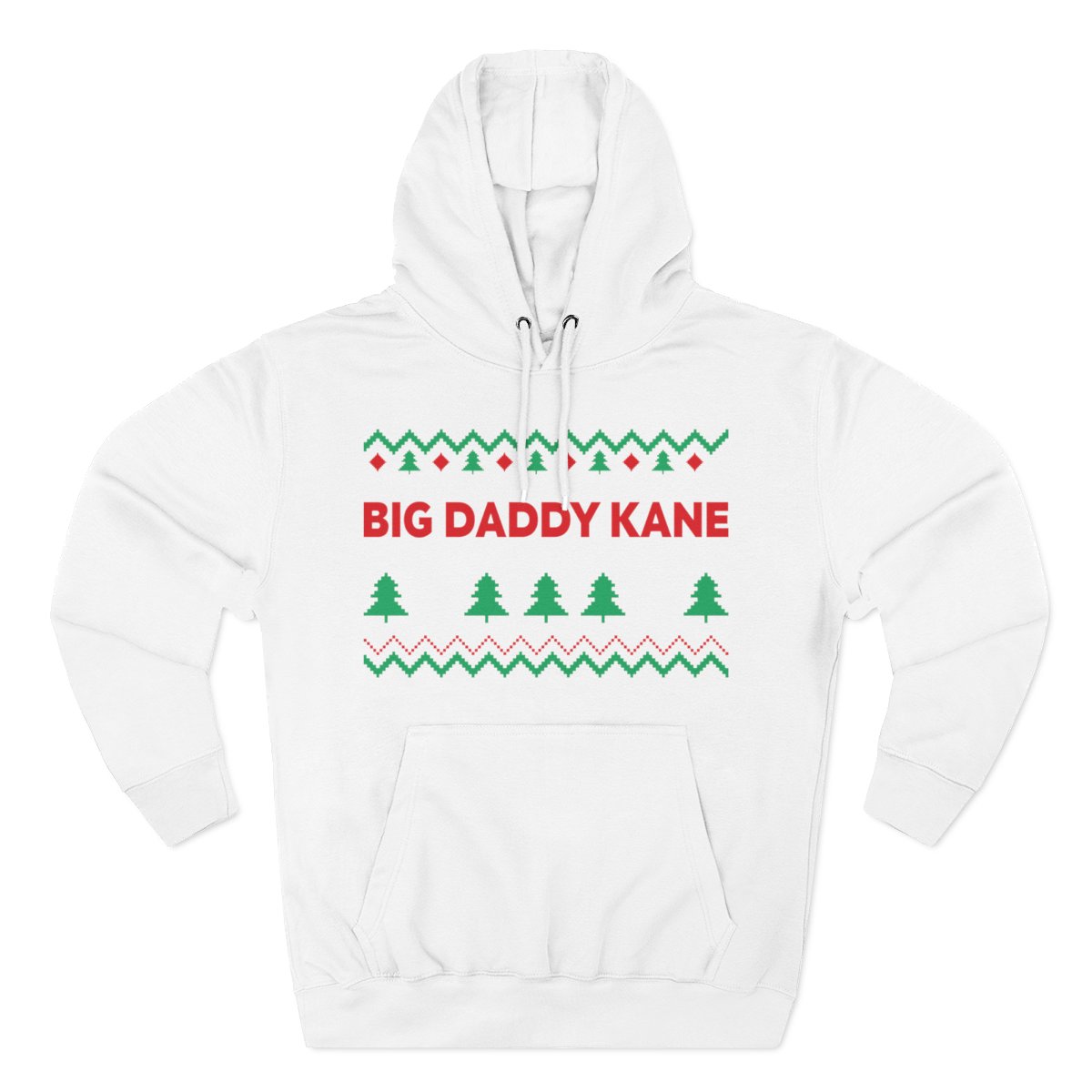
For winter, the Big Daddy Kane Christmas Knit three-panel fleece hoodie puts his name in bold red capitals inside green and red pixel zigzags, diamonds and pine trees. It reads as a holiday sweater from across the room and as a hip-hop piece up close.
What made Geto Boys the sound of Houston?
Geto Boys formed in Houston in the 1980s on Rap-A-Lot Records, first spelled "Ghetto Boys". The "Geto" spelling came with their 1990 album The Geto Boys. The lineup most people know, Scarface, Willie D and Bushwick Bill, came together in 1989, and it put Southern hip-hop on the national map.
The record to start with is We Can't Be Stopped (1991). Its single "Mind Playing Tricks on Me" reached number 23 on the Billboard Hot 100, a long way for a hard-edged Houston rap song about a mind under pressure. Two years later, "Six Feet Deep" from Till Death Do Us Part reached number 40 and the album went gold.
The full run of studio albums, oldest first:
- Making Trouble (1988)
- Grip It! On That Other Level (1989)
- The Geto Boys (1990)
- We Can't Be Stopped (1991)
- Till Death Do Us Part (1993)
- The Resurrection (1996)
- Da Good da Bad & da Ugly (1998)
- The Foundation (2005)
Bushwick Bill died on June 9, 2019, at 52. The records the three of them made together are still the heart of the Houston story.
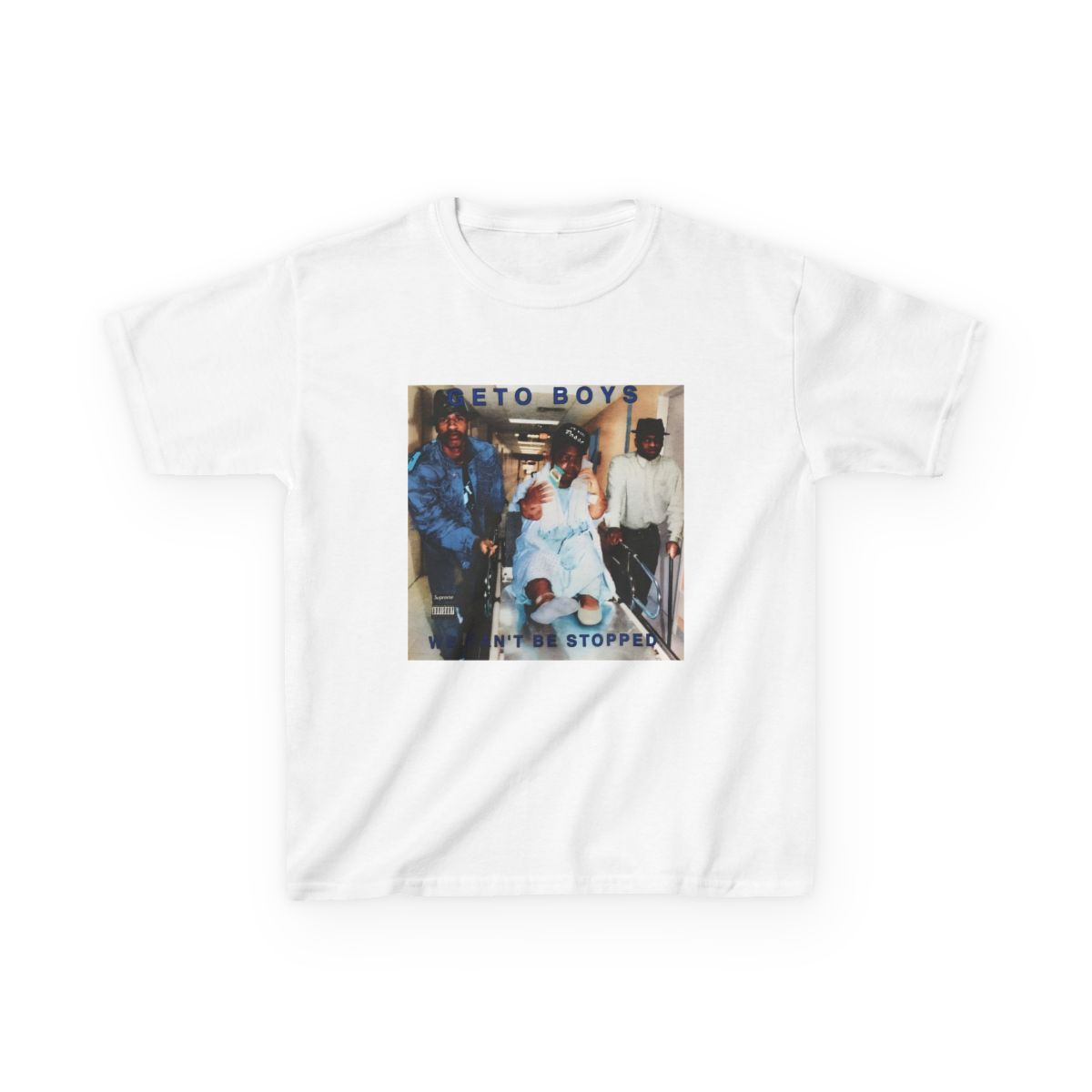
If you're dressing a younger listener, the Geto Boys We Can't Be Stopped kids tee carries album-cover style art of three men in a hospital corridor under a blue GETO BOYS and WE CAN'T BE STOPPED header. It's a small way to pass on a big record.
How did the Fugees turn a word into a name?
The Fugees came out of South Orange, New Jersey, in the early 90s: Wyclef Jean, Lauryn Hill and Pras Michel. Pras and Lauryn met at Columbia High School, and Wyclef is Pras's cousin. The name is short for "refugees", a word that had been thrown at Haitian Americans as an insult. Wyclef and Pras share that Haitian-American heritage, and the group took the word as their own.
Their sound blended hip-hop and R&B with reggae, soul and other African diaspora styles. The debut, Blunted on Reality, came out on February 1, 1994, with singles like "Boof Baf", "Nappy Heads" and "Vocab".
Then, in February 1996, came The Score. It topped the Billboard 200, went 7x Platinum and won the 1997 Grammy for Best Rap Album. "Killing Me Softly" won a Grammy of its own, and the album holds a place on Rolling Stone's 2020 list of the 500 greatest albums. If you only play one record from this post, play that one: "Fu-Gee-La", "Ready or Not", "No Woman, No Cry" and "Killing Me Softly", back to back.
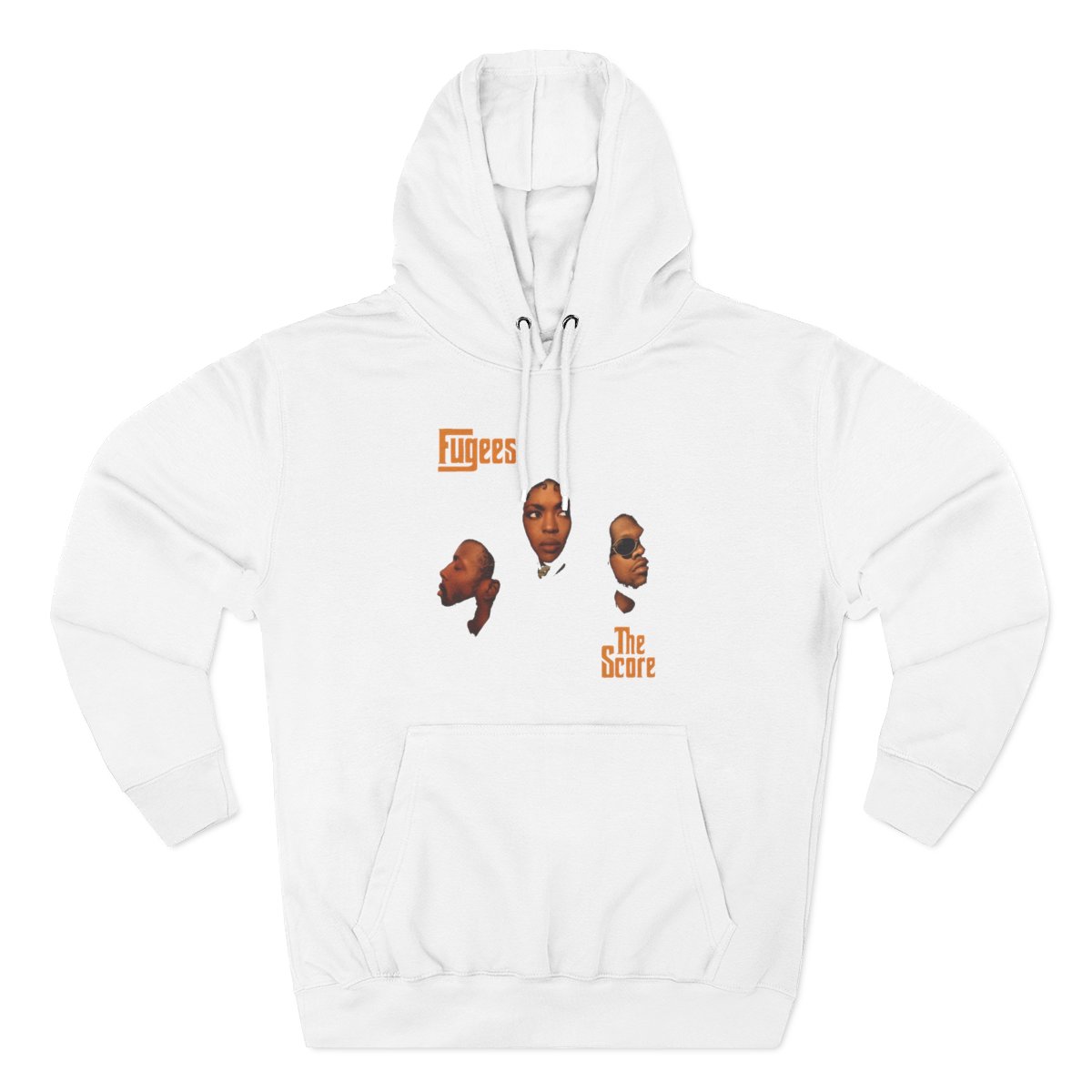
The Fugees The Score three-panel fleece hoodie brings that album to a cold-weather layer: the orange Fugees wordmark and The Score title around three cut-out portraits, one in round sunglasses.
Which one suits you?
A quick way to choose:
- You love wordplay and swagger: Big Daddy Kane. Start with Long Live the Kane, and the Christmas Knit hoodie makes a strong December pick.
- You like your music dark, heavy and honest: Geto Boys. We Can't Be Stopped is the entry point, and the kids tee is a good gift for the next generation.
- You want songs that cross genres: the Fugees. The Score is the one, and its hoodie wears the album on the front.
None of these three sounds like a heavy band from Buffalo, and that's the point. Heavy music has always borrowed energy from hip-hop: the confidence, the rhythm, the refusal to soften anything. Put one of these records on between loud ones and you'll hear the connection.